

yedg:
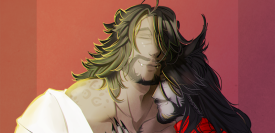
I’m late for inktober again, this time following the rules. #inktober #ffxivarr


I actually changed Viktor’s healing glam. He’s finally washing that Ala Mhigan set he has been wearing since he hit 70.
I ran past this highlander earlier, I saw this glamour and I approve. *nods*

Commissioned Zhe Yilma
for @kalugani
Commission info: https://aizelkon.deviantart.com/journal/COMMISSIONS-temporarily-closed-604166724
Most ancient healers used plant-based medicinals in the form of teas, infusions, decoctions, poultices, or plasters, All were simple to make.
Teas – generally made by dropping an ounce of dried herbs into a pint of boiled, hot water for a minute or two, then straining the liquid and drinking it as needed
Infusions – made by dropping an ounce of dried herbs into a pint of boiled water, then steeping the herbs for at least 15 minutes before straining
Decoctions – made by dropping an ounce of dried herbs into a pint of water while it was boiling – and then leaving it to gently simmer for at least 30 minutes
Poultices – made from dried or powdered herbs mixed with water, with a healthy scoop of oatmeal or flour to bind it all together. Generally, two ounces of herbs were mixed with about twenty ounces of the binder and enough water to make a paste. The mixture was then placed directly on the skin and covered with a warm cloth or bandage
Plasters – mixed exactly the same way as a poultice, but because they frequently called for herbs that could irritate the skin, they were folded into a cloth before they were placed on the body
 Lyn'to's Sanctuary